
Football is a physically demanding sport, and injuries can be a common occurrence for players at any level.
However, the pace of recovery depends on each player’s ability to develop the mental strength to overcome challenges and return even stronger
Suffering an injury can be a devastating experience for a footballer, and it can be one of the biggest obstacles to achieving their dreams in the sport.
A study has revealed that Premier League players under the age of 21 are spending more time out due to injuries than ever before, with a notable increase in knee-related issues.
Injuries are an unfortunate part of football and can be devastating, as seen in the case of Andre Green, whose Achilles injury side-lined him for approximately 15 months.
In this post, we’ll explore some of the reasons why players get injured, including poor physical conditioning, reckless gameplay, and inadequate pre-game preparation.
Factors Leading to Injuries in Young Footballers
While physical contact is a significant aspect of football, it’s not the only cause of injuries in young players. Below are additional factors to consider:
Physical Causes
- Overuse Injuries: Excessive, repetitive stress on muscles, tendons, and bones can result in overuse injuries, such as stress fractures and tendinitis. This is often due to frequent or intense training without sufficient rest.
- Poor Technique: Improper form or biomechanics can lead to unnecessary strain on joints and muscles, increasing the likelihood of injury.
- Equipment Problems: Injuries can arise from using ill-fitting or worn-out gear, such as cleats or helmets.
Physiological Reasons
- Growth Plate Injuries: During adolescence, growth plates—areas of cartilage at the ends of bones—are particularly prone to injury, especially from repetitive stress or sudden impacts.
- Muscle Imbalances: Weak or tight muscles can disrupt proper movement patterns, heightening the risk of injury.
- Nutritional Deficiencies: Poor nutrition can compromise bone health, muscle strength, and overall recovery, making young athletes more vulnerable to injuries.
Environmental Causes
- Playing Surface: Hard or uneven playing fields can increase the chances of ankle sprains and other injuries.
- Weather Conditions: Extreme temperatures, humidity, or precipitation can impair performance and elevate the risk of injuries.
Psychological Reasons
- Fatigue: Both mental and physical fatigue can impair judgment and coordination, leading to a higher risk of injuries.
- Pressure to Perform: High levels of pressure to succeed can result in overtraining, which increases the risk of injury.
By addressing these factors—through proper training, appropriate equipment, balanced nutrition, and mental health support—coaches and parents can help minimize the risk of injuries among young footballers.
Some common injuries footballers get are:
Hamstring:
Hamstring injuries are a common occurrence in football due to the intense running and sprinting required during gameplay.
Almost every footballer will experience a hamstring injury at some point in their career, as the amount of stress that the hamstring muscles endure during gameplay is often beyond what is experienced in training.
Pedri Gonzalez, a player for Barcelona FC, is just 21 years old. He has been in the first team since September 2019, however, he’s already had six hamstring injuries. These injuries kept him out of competition for a total of 341 days.
As a result, it’s essential to take extra care during training to build up the hamstring muscles and prevent injury.
This can involve specific exercises and drills to strengthen the hamstrings, as well as stretching and warm-up routines to improve flexibility and reduce the risk of muscle strains or pulls.
By prioritizing proper conditioning and training techniques, footballers can help to reduce the risk of hamstring injuries and continue to perform at their best on the field.


Groin and Crotch:
Groin and crotch injuries are also common among footballers, typically occurring during shooting and long-range passing.
These skills are important for players in any position, from midfielders and defenders to goalkeepers.
The stress placed on the groin and crotch muscles during long-range or aerial passing can cause strains or pulls, leading to injury.
However, unlike hamstring muscles, the groin muscles tend to strengthen more quickly, which is why players may experience these injuries less frequently as they progress in their careers.
To prevent groin and crotch injuries, it’s crucial for footballers to engage in proper warm-up and stretching routines before training and matches.
Strengthening exercises and drills targeting the groin and crotch muscles can also help to reduce the risk of injury.
Additionally, proper technique during shooting and passing can help to minimize the stress placed on these muscle groups.
By taking proactive steps to prevent injury, footballers can continue to improve their skills and performance on the field while reducing the risk of debilitating injuries.
Here are a list of common injuries and suggested recovery times.
Injury Prevention:
Football is a contact sport, which means that players are vulnerable to knocks and injuries while playing.
It’s not uncommon for players to sustain injuries during a game, but it’s crucial for young players to learn how to prevent or minimize the risk of injury.
One way to do this is by focusing on proper technique and body mechanics during training and gameplay.
This includes learning how to tackle safely and avoid reckless challenges that can lead to injury.
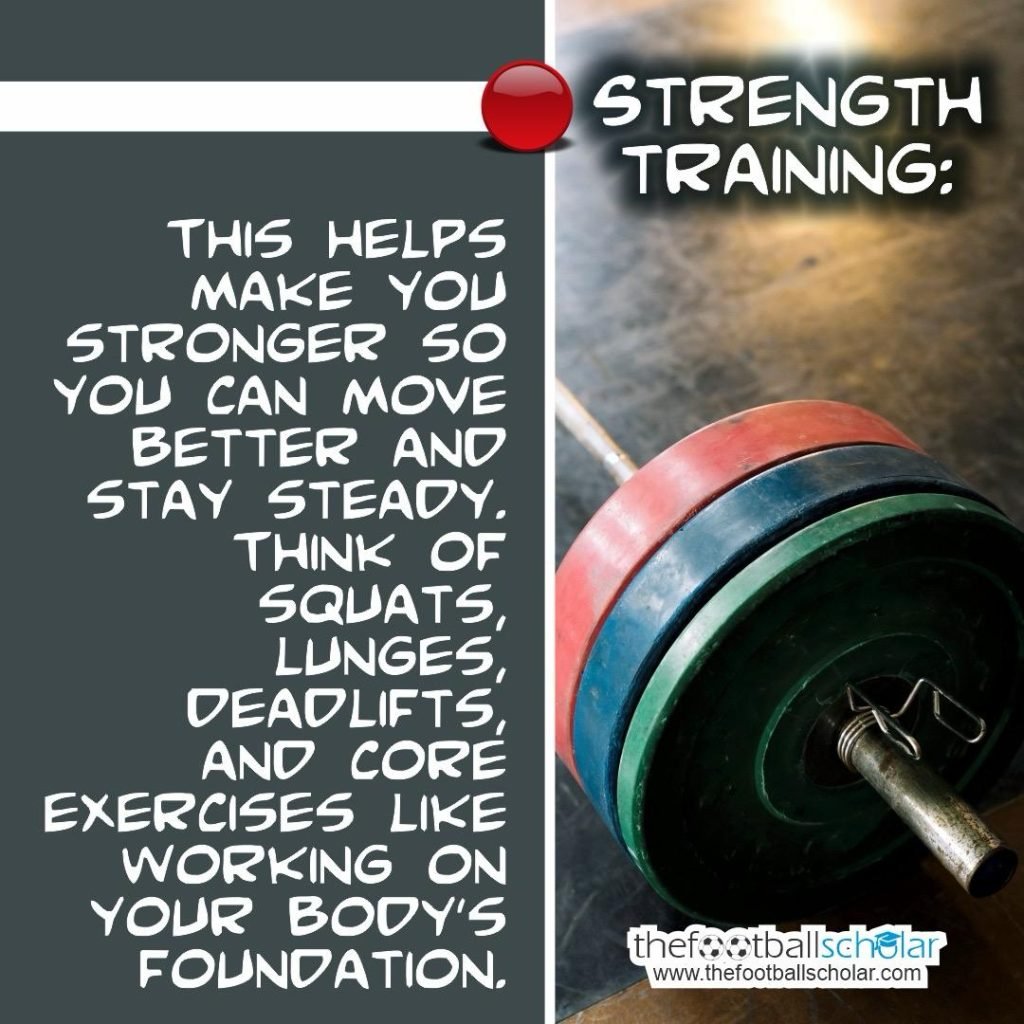
Another key aspect of injury prevention is physical conditioning, including strength training and flexibility exercises.
By building up strength and flexibility, players can improve their ability to withstand physical contact and reduce the risk of injury.
It’s also important for players to listen to their bodies and take breaks when necessary.
Playing through pain or fatigue can increase the risk of injury and may prolong recovery time.
By taking proactive steps to prevent injury and prioritize safety, young players can continue to develop their skills and enjoy the game for years to come.

These are common reasons that may cause football injuries
Hiding an Existing Injury:
When playing in an academy environment, competition can be fierce as every player strives to earn a spot on the team.
However, some players resort to hiding their injuries from their coaches and parents to avoid missing out on valuable playing time.
Although it may seem like a good idea in the short term, this can ultimately lead to more severe injuries down the line.
As such, it’s essential for young athletes to prioritize their health and be honest about any injuries they may be dealing with.
By seeking proper treatment and taking the necessary time to heal, players can prevent minor injuries from becoming more serious and potentially derailing their athletic aspirations.
Overzealous Players:
During training, some players can be overly aggressive with their tackling, which can lead to unnecessary injuries.
While it’s important to train at the same level of intensity as in a real game, it’s crucial to avoid reckless tackles that could potentially harm other players.
Good Technique is key
Being reckless not only puts your teammates at risk, but it can also hinder your own development as a player if you end up side-lined with an injury.
Instead, focus on practicing proper technique and positioning to ensure that you’re getting the most out of your training sessions while keeping everyone safe.
By taking a more controlled approach to tackling during training, you’ll be better equipped to handle high-pressure situations in actual games while minimizing the risk of injury to yourself and others.
Poor Diet:
Proper nutrition is a crucial aspect of athletic performance, yet many players neglect to eat a balanced and nutritious diet.
Some players skip meals altogether or choose foods that are lacking in essential nutrients, which can leave their bones and muscles more vulnerable to injury.
To achieve your goals of becoming a professional footballer, it’s vital to prioritize your diet and develop a plan that supports your athletic pursuits.
This may involve consulting with a nutritionist or dietician to determine your specific dietary needs and creating a meal plan that meets those requirements.
By maintaining a healthy and balanced diet, you’ll be better equipped to perform at your best and reduce the risk of injury on and off the field.
Remember, what you put into your body can have a significant impact on your overall health and athletic performance.
It’s worth investing the time and effort to develop healthy eating habits that will serve you well throughout your career.
Non-contact Moves:
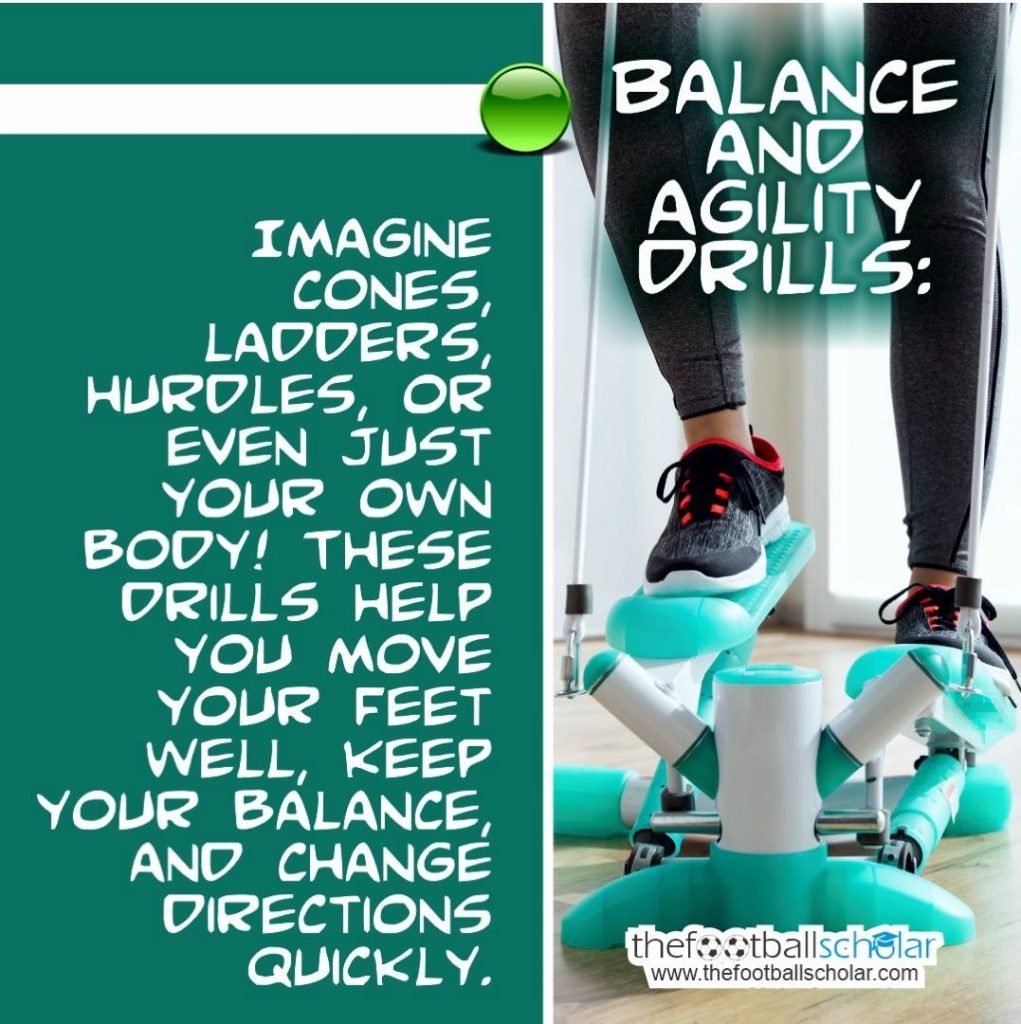
Footballers rely on their mobility and agility to manoeuvre past opponents on the field, often using twisting and turning movements to do so.
However, these types of movements can also put a significant strain on the knee and ankle joints, leaving players vulnerable to injury.
Surprisingly, even non-contact moves can result in injuries due to the high levels of force and strain placed on the body.
It’s crucial for players to be aware of the potential risks associated with these movements and take steps to prevent injuries from occurring.
This may include engaging in proper warm-up and cool-down routines, wearing supportive footwear, and practicing proper technique and body mechanics when making quick movements.
By being mindful of the potential risks and taking proactive steps to prevent injury, footballers can continue to perform at their best and avoid being side-lined due to knee or ankle injuries.
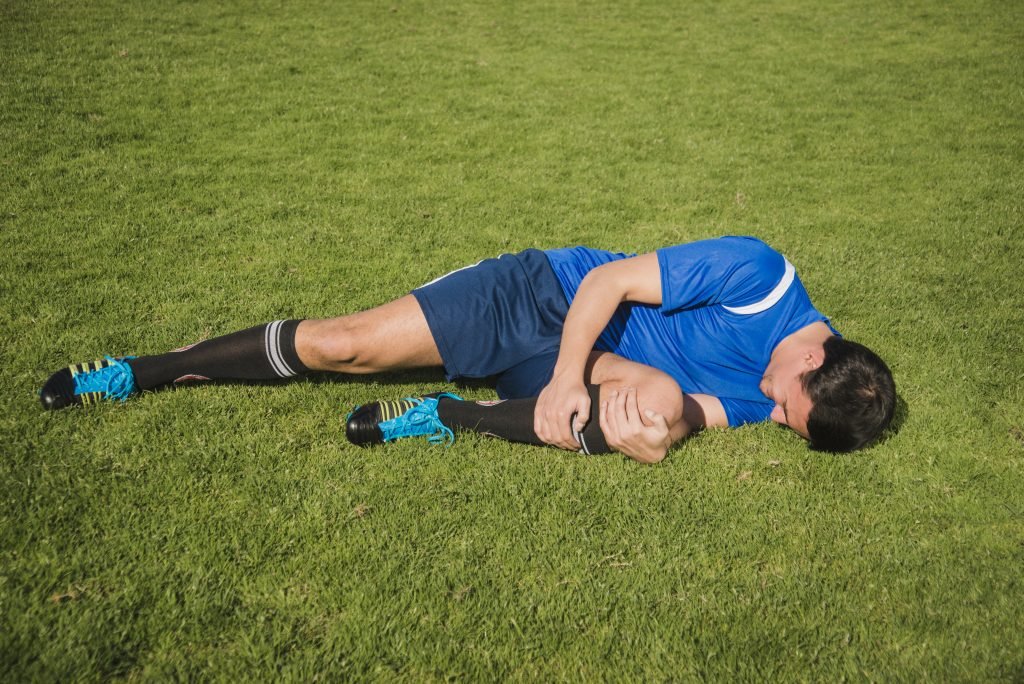
Freak Accidents:
Many injuries occur when players are messing around, especially during training sessions.
Injuries are an unfortunate reality for many football players, and they can occur in unexpected ways.
Even seemingly harmless activities, like messing around during training sessions or pursuing hobbies outside of football, can result in injury.
A sad but inspiring story from former Leeds Academy defender Peter Mitchell shows this.
Have fun with care
For example, players who engage in high-risk activities like extreme sports or speed driving may be more likely to experience accidents that result in injury.
Similarly, accidents that occur while on holiday, such as falls or mishaps during water sports, can also leave players with injuries that impact their football performance.
It’s essential for players to be aware of the risks associated with these types of activities and take steps to protect themselves.
This may include avoiding risky behaviours or wearing appropriate protective gear during high-risk activities.
Misdiagnosed Injuries:
Misdiagnosed injuries can be a significant setback for a footballer’s progress. When a player sustains an injury, proper diagnosis and treatment are essential to ensure a speedy and safe recovery.
However, misdiagnosis can occur due to a variety of reasons such as inadequate examination, lack of experience or expertise, and rushed judgments.
Misdiagnosed injuries can have a significant impact on a player’s career, both in the short and long term.
Delayed recovery and prolonged absence from training and games can lead to a loss of form and fitness.
Moreover, untreated injuries can increase the risk of future injuries and may even lead to permanent damage or disability.
Therefore, it is crucial for football clubs to invest in experienced and qualified medical staff to ensure proper diagnosis and treatment of injuries.
Exercise:
Dynamic stretching is a crucial component of any football player’s pre-game routine. Failure to do so can increase the risk of injury during the game.
Dynamic stretches help to increase blood flow to the muscles, improving flexibility and reducing the risk of muscle strains or pulls.
They also help to activate the nervous system, enhancing coordination and reaction time.
Before a game or training session, players should perform a series of dynamic stretches, including movements that mimic the actions of football, such as lunges, high knees, and leg swings.
These stretches should be done at a slow and controlled pace, gradually increasing the range of motion as the muscles warm up.
In addition to dynamic stretching, it’s essential to maintain good hydration levels before, during, and after the game.
Proper hydration helps to keep muscles and joints lubricated and reduces the risk of cramps and other related injuries.
By taking these simple steps to prepare properly before a game, players can reduce the risk of injury and perform at their best on the field.
Proper Training Equipment:
Playing with the right boots for the right surfaces can prevent unnecessary injuries. In some cases, not wearing shin pads or ankle protectors can lead to serious ankle damage.
Ultimately, it is the responsibility of every player to take basic measures to reduce the chances of career-threatening injuries.
Here are some tips on how to deal with basic injury treatment at home:
Most injuries can be classified as acute soft tissue injuries (bruises, strains, sprains, and tears). The primary aim is to prevent or reduce swelling.
Protection: Stop the activity immediately and protect the injured part from more damage.
Rest: Rest the injured area to give the tissue time to heal.
Ice: Using an ice pack or any iced item wrapped in a towel can help reduce swelling and pain. Intermittent icing during the 24 hours after an injury often helps manage the pain and reduces inflammation.
Compression: Wrapping the injured part in a bandage or elastic wrap immediately can help reduce swelling.
Elevation: Elevating the injured area can help reduce blood flow and swelling to the area.
Conclusion:
Injuries are an unfortunate reality of playing football, but there are steps that players can take to prevent or minimize their risk.
Proper physical conditioning, including strength training and flexibility exercises, can help to improve players’ ability to withstand physical contact and reduce the risk of injury.
It’s also crucial to prioritize safety during gameplay, focusing on proper technique and body mechanics, and taking breaks when necessary.
Additionally, pre-game preparation, including dynamic stretching and proper hydration, can help to reduce the risk of injury during the game.
By taking these steps, players can enjoy the game they love and continue to develop their skills without being side-lined by injuries.




This is awesome read. Very enlightening even for an ordinary football fan.